


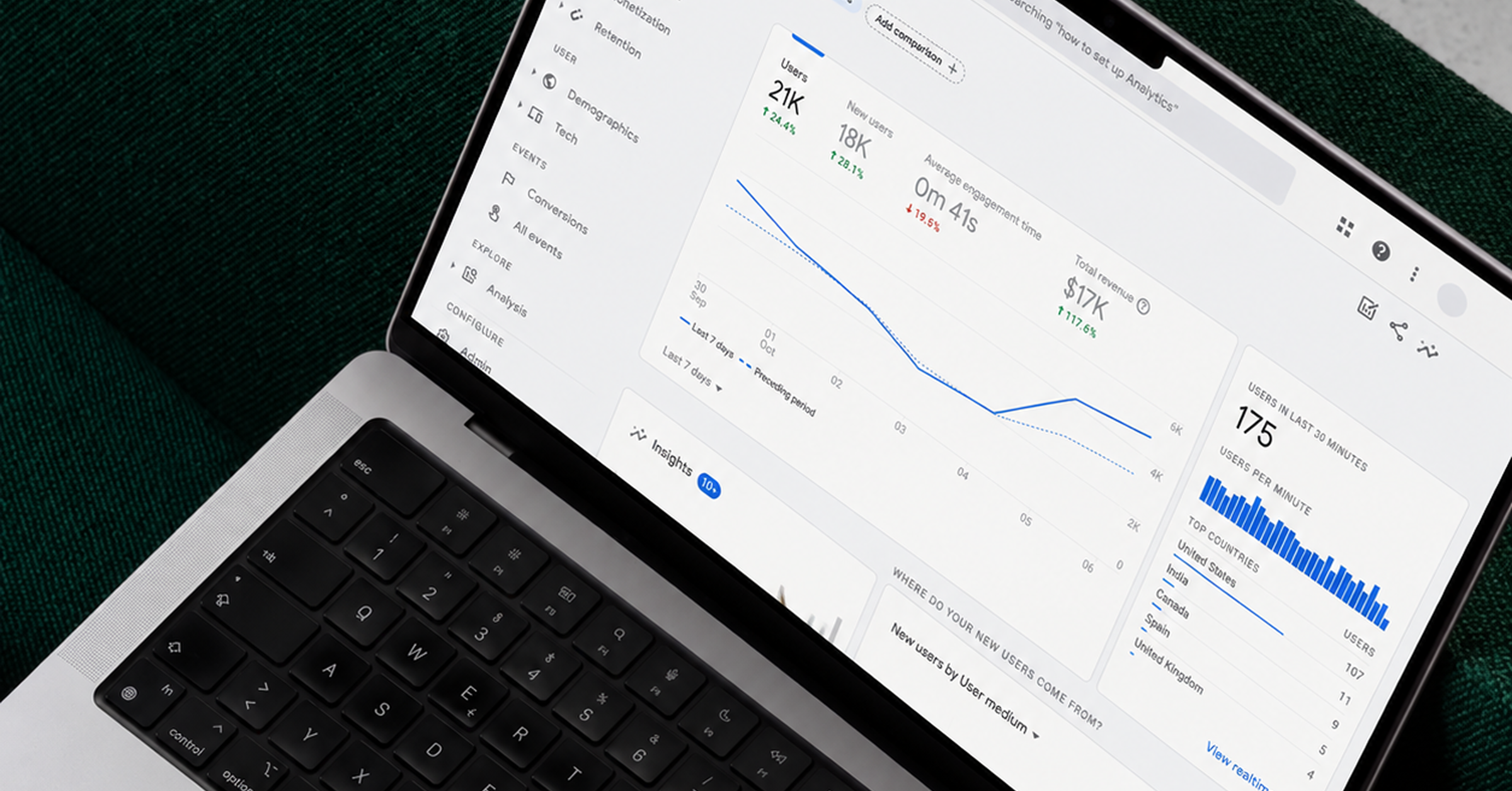
The quarterly report looks good at first glance. Sessions are up, rankings are holding and the paid campaigns are delivering clicks. Then someone asks the question that matters: why isn't the pipeline growing with it?
More traffic with fewer leads is one of the most common problems in B2B marketing, and one of the most fixable. It almost always means the funnel is leaking somewhere between the first visit and the first conversation. The visitors are arriving. Something is stopping them from taking the next step.
The good news is that leaks leave clues. This guide shows where funnels most often break, what each problem looks like in your data, and a simple process to find and fix the leak before the next quarter.
Why traffic and leads drift apart
Traffic and leads move together only when the right people land on the right pages and find a clear reason to act. Break any part of that chain and the numbers split. In practice, the gap usually comes from one of three places:
- The wrong visitors. You're attracting people who will never buy, from broad keywords, loose ad targeting or content that ranks for curiosity rather than intent.
- The wrong experience. The right people arrive, but the page is slow, confusing or doesn't match what brought them there.
- The wrong ask. Visitors are interested, but the next step is too big, too vague or too hard to find.
Where funnels leak: a stage by stage guide
Use this table to match what you see in your analytics to the most likely cause.
Most funnels have more than one leak, but one is usually much bigger than the rest. Fix that one first.
How to find the leak in five steps
1. Check your tracking before anything else
Before you change a single page, make sure the numbers are real. Submit every form on your site and confirm the lead reaches your CRM and shows as a conversion in analytics. Broken tracking is the most common cause of "leads are down" reports, and the cheapest to fix.
2. Segment conversion rate by source
Total traffic hides the story. Break conversion rate down by channel, campaign and landing page. Often you'll find that one source drove most of the traffic growth while converting at a fraction of the rate of everything else. That growth was never going to produce pipeline.
3. Follow the path of your best visitors
Look at the visits that did convert. Which pages did they see first, and which pages did they view before filling in a form? This shows you the path that works. Your job is to send more of the right visitors down that path and remove anything that pulls them off it.
4. Watch real sessions
Numbers tell you where people drop off. Session recordings and heatmaps show you why. Watch twenty sessions on your top landing pages. You'll quickly spot confusing navigation, hidden buttons, forms that break on mobile or sections nobody scrolls to.
5. Fix one leak, measure, then move on
Change one thing at a time on your highest traffic pages, then give it enough time to show results. Fixing everything at once makes it impossible to know what worked, and you'll repeat the guesswork next quarter.
Quick wins that often close the gap
- Match every landing page headline to the ad or search intent that brings people there
- Cut form fields to the essentials and move qualifying questions to the sales call
- Add proof near every call to action: client logos, results and short testimonials
- Offer a lower commitment option, like a checklist, audit or short consultation
- Make sure pages load fast on mobile, where much of B2B research now starts
- Build pages around the questions buyers ask, so the right people find you in the first place
Frequently asked questions
Why is my website traffic increasing but leads decreasing?
Usually because the new traffic has lower buying intent, or because something on your landing pages or forms is stopping visitors from converting. Broken conversion tracking can also make leads look lower than they are.
What is a good website conversion rate for B2B?
It varies widely by industry, channel and offer, so the most useful benchmark is your own history. Compare conversion rates by source and page over time, and focus on the pages that drive pipeline, not just form fills.
Should I fix traffic quality or the website first?
Start with tracking, then the pages your best visitors already use. If those pages convert well and overall results are still weak, shift your focus to bringing in better qualified traffic.
How long does it take to see results from conversion fixes?
High traffic pages can show a change within a few weeks. Pipeline impact follows your normal sales cycle, so track lead quality as well as lead volume.
The bottom line
Traffic growth that doesn't produce pipeline isn't a traffic problem or a website problem. It's a funnel problem. Check your tracking, segment by source, follow the path that already works, and fix the biggest leak first. Small changes at the right point often matter more than doubling your traffic.
At Clay9, our Marketing Studio connects SEO, paid media and conversion work so traffic turns into pipeline, and our Builder Studio fixes the pages and forms where visitors drop off. For high value accounts, pair this with an account based marketing playbook. See our work, or let's talk about where your funnel is leaking.