

.png)
You've probably used a product like this. The dashboard looks beautiful. The colors are on brand, the icons are crisp and the layout feels modern. Then you try to transfer money, update a setting or recover from an error, and the confidence disappears. The button doesn't respond. The message is vague. You're not sure if it worked.
That gap has a cause. Many teams treat visual design and product design as the same discipline, and stop once the interface looks right. In a world where your product often is your brand, that confusion quietly costs trust, adoption and revenue.
Visual design and product design need each other. But they're not the same job, and treating them as one is where many digital experiences go wrong.
The difference in one line each
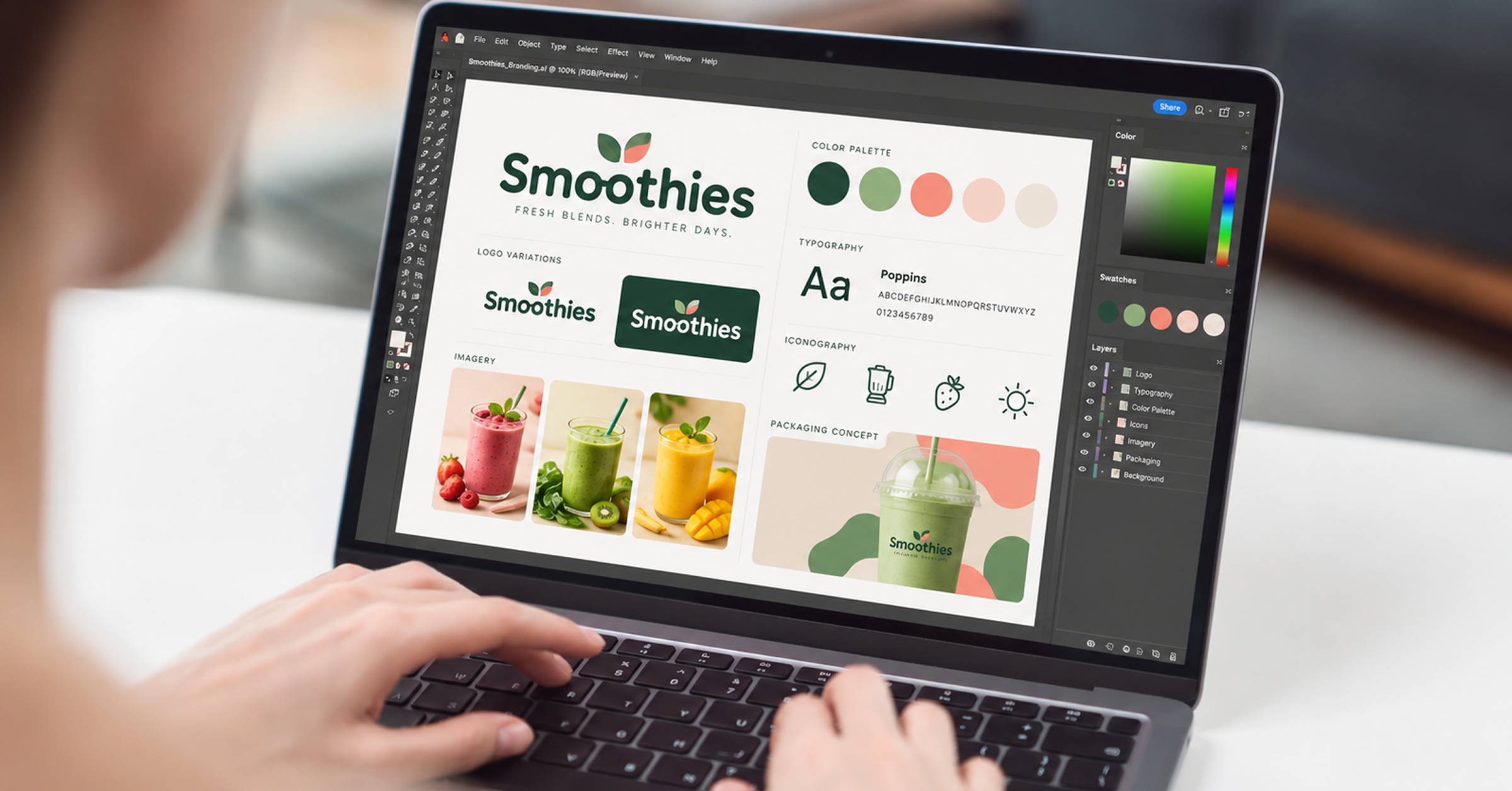
Visual design decides how something looks: typography, color, imagery, layout and the overall impression of your brand.
Product design decides how something works: the flows, decisions, feedback and behavior that help people get a job done and come back to do it again.
Visual design earns attention. Product design earns trust.
UI, UX and product design: three layers, not one
The terms get used interchangeably, but each one covers a different scope.
A useful way to picture it: UI is the saddle and reins, UX is how the ride feels, and product design is whether the journey gets you where you needed to go.
Where the confusion shows up
The polished form that loses your work
A signup form looks clean and modern. A user makes one mistake, the form clears every field and shows "Something went wrong." No explanation, no recovery path. The visual design was strong. The product design broke trust in a single moment.
The beautiful store with a painful return
An ecommerce experience has smooth animations and a fast checkout. But returns are confusing, delivery updates are vague and support is hard to reach. Customers don't blame the interface. They blame the brand.
The impressive launch nobody sticks with
A software product attracts strong signups thanks to a great website. A week later, new users don't know where to start or what success looks like. Retention drops, not because the product looks wrong, but because it doesn't guide people to value.
What happens when one leads without the other
Visual design without product design creates experiences that look trustworthy but don't behave that way. Expectations break, frustration builds and trust erodes quietly.
Product design without visual clarity creates experiences that work but feel intimidating or unfinished. Adoption slows and people hesitate before they ever discover the value.
The goal isn't to choose one. It's to give each discipline its own thinking, then make them work as one system.
Why it matters more now
Digital products increasingly do the work people used to do: they sell, onboard, explain and support. Every hesitation, delay or unclear message is a brand moment. Most of those moments aren't styled. They're designed.
Frequently asked questions
What is the difference between visual design and product design?
Visual design focuses on how a product looks, including typography, color, imagery and layout. Product design focuses on how it works over time, including user flows, feedback, onboarding and the business outcomes the product needs to deliver.
Is UX design the same as product design?
Not quite. UX design covers how it feels to use a product, such as navigation and flows. Product design is broader and includes strategy, business goals, edge cases and how the experience evolves after launch.
Do I need both a visual designer and a product designer?
For most digital products, yes, or a partner who covers both. Visual design builds the first impression and brand recognition, while product design turns that interest into lasting use and trust.
How do I know if my product has a product design problem?
Common signs include strong signups but weak retention, frequent support questions about basic tasks, users abandoning key flows and feedback that the product looks great but feels confusing.
The bottom line
Good visual design gets noticed. Good product design gets believed. The brands people trust are the ones that look right and behave right, every time someone uses them.
At Clay9, our Design Studio treats visual and product design as separate disciplines that ship as one system, and our Builder Studio brings both to life in websites and web apps that convert and scale. See our work, or let's talk about what you're building.